
Training for Human Flourishing
MangoWell Compassionate Care Program™
MangoWell equips healthcare workers, educators, and institutions to practice compassionate, patient-centered care, strengthening trust, dignity, communication, and outcomes where people are most vulnerable.
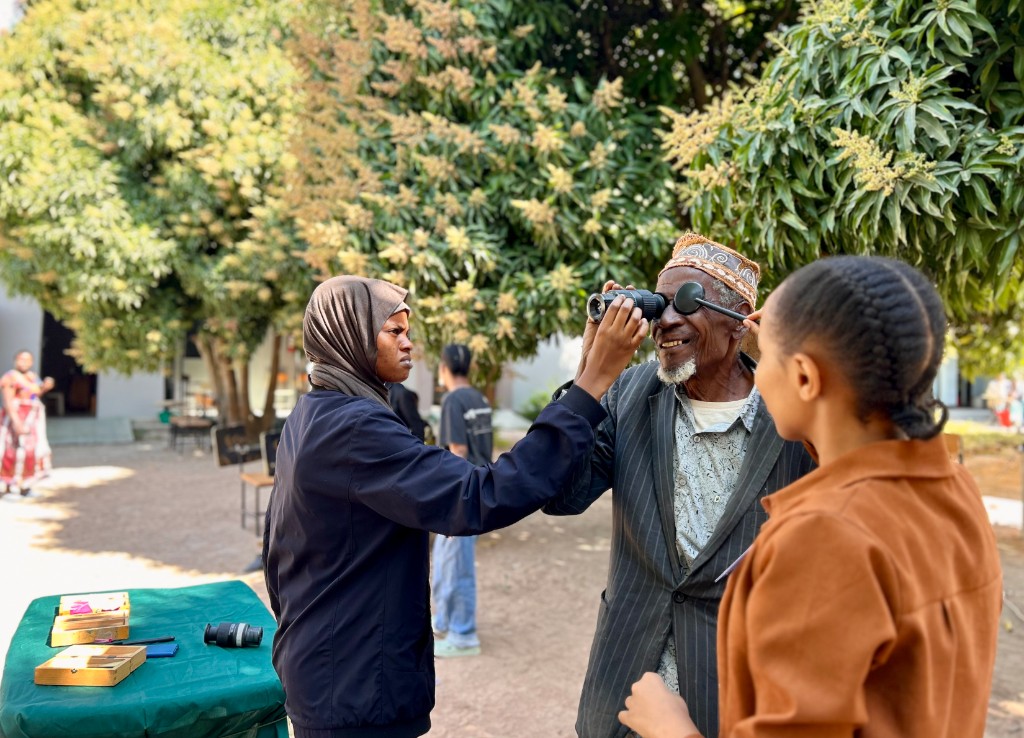
- Healthcare education
- Compassionate care training
- Tanzania partnership
Rooted in Human Dignity and Compassion
MangoWell approaches healthcare as a vocation of service. We believe each person bears dignity worth protecting, and that compassionate care is one tangible way communities flourish.
Why Compassionate Care Matters
Compassionate care is more than kindness at the bedside. It pairs empathy with a genuine desire to help, so patients feel seen, heard, and respected as whole persons.
When communication is clear and trust grows, care teams collaborate better, patients participate more confidently in their care, and everyday decisions align more closely with what is appropriate and safe.
These habits support quality of care, patient safety, adherence to treatment plans, and experiences that honor human dignity, without replacing clinical judgment or institutional protocols.
- Builds trust: Relational presence and clear communication reduce fear and uncertainty.
- Improves patient experience: Attentive listening and respectful dialogue shape how care feels, not only what is done.
- Strengthens teams: Shared language for compassion supports healthier team culture and coordination.
- Supports better outcomes: Trust and clarity contribute to safer, more consistent care over time.
What the Program Includes
A blend of didactic learning, guided reflection, discussion, and practical application, adaptable to cohorts and institutional contexts.
- Foundations of compassionate care: Clarify what compassion is (and is not) in professional practice.
- Empathy and relational care: Translate empathy into respectful, helpful presence with patients and families.
- Communication skills: Practice clear, kind, and culturally attentive conversations across common scenarios.
- Calling, vocation, and identity: Connect daily work to purpose and professional character.
- Culture and social context: Explore how background, stigma, and social determinants shape the care encounter.
- Ethics and awareness: Strengthen ethical attentiveness, boundaries, and shared decision-making.
- Reflection and journaling: Build habits of reflection that sustain compassion under pressure.
- Posture and practice: Translate values into repeatable behaviors at the bedside and in the classroom.
- Discussion and active learning: Use case discussion, role-play, and exercises to make skills concrete.
Who It Is For
Designed for both individual formation and institutional training partnerships.
- Nurses and nursing students: Clinical compassion, communication, and reflective practice across training and early career.
- Healthcare workers: Support for physicians, therapists, community health workers, and allied staff.
- Faculty and trainers: Reusable facilitation tools, language, and practice activities.
- Hospitals and training institutions: A structured pathway for professional development and pre-service education.
- Ministry and nonprofit partners: Alignment around dignity-centered care in underserved communities.
- Funders and champions: Clear understanding of how support expands access and training reach.
How Learning Happens
Teaching sessions, guided discussion, reflection, role-play, and exercises build habits, not only information.
Learn
Ground concepts in evidence-informed compassionate practice and real-world examples.
Reflect
Use journaling and prompts to connect learning to personal and cultural context.
Practice
Rehearse communication, ethical reasoning, and relational skills in structured activities.
Apply
Carry insights into clinical, classroom, or community settings with clear next steps.
What Makes This Program Different
MangoWell’s voice blends clinical credibility with human warmth, anchored in dignity, not jargon.
Compassion + practical skill
Every theme moves from motivation to behaviors participants can rehearse and track.
Patient-centered & relationship-based
Care is treated as a therapeutic relationship, not only a series of tasks.
Built for real environments
Scenarios reflect busy wards, teaching wards, and community settings, not idealized classrooms alone.
Attentive to culture & context
Materials invite honest conversation about bias, power dynamics, and local norms.
Supports professional identity
Calling and vocation are framed as resources for resilience and ethical clarity.
Aimed at human flourishing
Outcomes are described in human terms (trust, safety, dignity) alongside quality metrics.
Program Format & Delivery
Flexible options shaped with each partner (in person, hybrid, or train-the-trainer).
- Delivery format: In-person workshops, hybrid cohorts, or partner-led modules tailored to your institution.
- Settings: Hospitals, nursing schools, professional development weeks, and ministry health initiatives.
- Regions: Tanzania partnerships and U.S.-based collaborators seeking shared curricula.
- Customization: Adaptable sequencing, assessment tools, and facilitator guides for your context.
Outcomes We Work Toward
Formation goals we hear from partners. Measurable indicators can be added with your evaluation team.
Stronger empathy expressed in everyday practice
More effective, respectful communication
More reflective caregivers and teams
Patient-centered micro-habits reinforced between sessions
Shared vocabulary for compassion on units and in classrooms
Greater confidence navigating ethical tension with humility
Bring Compassionate Care Training to Your Team
Nursing schools, hospitals, ministries, and nonprofit health partners are invited to explore how MangoWell can support your next cohort, whether you need facilitator training, curriculum integration, or a jointly designed rollout.